Welcome to the web site for NOAA Research, NOAA
 

Search  this web siteSEARCH  |  INDEX

PODCASTS   ABOUT PODCASTS   ABOUT RSS

NOAA Research Matters: Air Resources Lab

NOAA provides environmental services that protect lives, and property, and our data and services contribute to industries that account for a third of the nation"s Gross Domestic Product. NOAA services touch many people every day, and NOAA research is critical to improving those services. Listen in and learn how our scientists are answering some of the important Earth science questions of our time.

Our podcasts are short reports on science and research carried out within NOAA Research programs. You can listen to or watch these audio and video files by clicking on the link or downloading the files to your desktop, laptop or other mobile device capable of playing them. You can also SUBSCRIBE to NOAA Research PODCASTS rss feed to receive new content automatically. Let us know what you think about our podcasts.


What the Upper Atmosphere Reveals about Climate

5-part podcast series

Part 1 | Part 2 | Part 3 | Part 4 | Part 5


Playback

Narrator:
Hello, I'm Linda Joy with NOAA Research Matters. In this five-part series, we're taking a look at what NOAA scientists have learned about climate through decades of study on the upper atmosphere. To do this topic justice, we have interviewed three NOAA scientists about pioneering research on trends and phenomena that take place in the atmosphere miles above our tallest skyscrapers.

Dian Seidel:
"Our group at the Air Resources Lab focuses on the atmosphere from the surface of the earth extending up through the troposphere and into the stratosphere."

Narrator:
Dr. Dian Seidel is a research meteorologist in NOAA's Air Resources Lab.

Dian:
"There's definitely a connection between what we experience at the ground, weather systems, precipitation, droughts, flood, heat waves and what's going on above the ground. They're very tightly coupled."

Narrator:
Dr. Seidel and her colleagues have collected several decades worth of temperature data from different levels in the atmosphere. They have used this record to uncover new knowledge about how events like El NiƱo and volcanic eruptions impact our weather and climate. The NOAA researchers have helped to show that changing atmospheric conditions correlate with changes in weather and climate at the surface. Their discoveries also provide an important context for climate change due to human activities, as physical scientist Melissa Free explains.

Melissa Free:
"One important motivation for our work regarding temperature trends above the surface is the idea that the pattern of those trends might be a fingerprint for distinguishing changes in climate that come from natural causes as opposed to those changes that are made by human intervention such as greenhouse gases."

Narrator:
In our next episode, we'll cover how scientists measure atmospheric temperature trends. I'm Linda Joy for NOAA Research Matters.


Online

NOAA Air Resources Lab

NOAA Air Resources Lab Climate Change and Variability Analysis Group

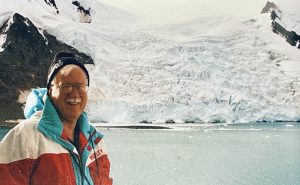
Jim Angell, Melissa Free and Dian Seide
Dian Seidel
Melissa Free


NOAA Research logo